Our Mission
In 2013, DMC Radiology Reporting was founded by career-long consultant radiologists Professor Sujal Desai and Professor Simon Padley, who had a vision to improve the quality of radiology services, based on their 40 years' combined experience as cardiothoracic consultants in the NHS. Since then, DMC Radiology Reporting has been firmly focussed on providing fast, accurate radiology reporting led by quality and rigorous clinical governance. With extensive clinical experience and backed by a highly skilled cohort of subspecialty trained radiologists, we provide the right radiologist for the right study at the right time.

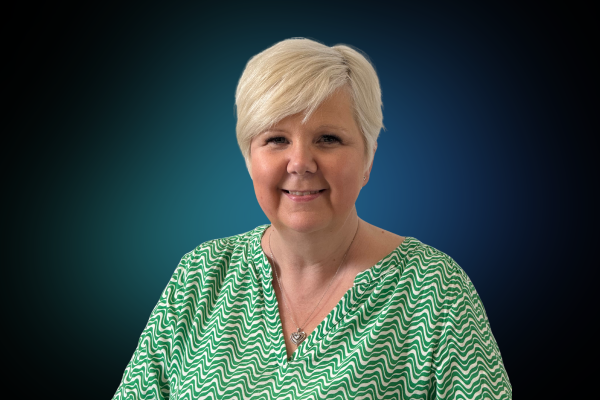
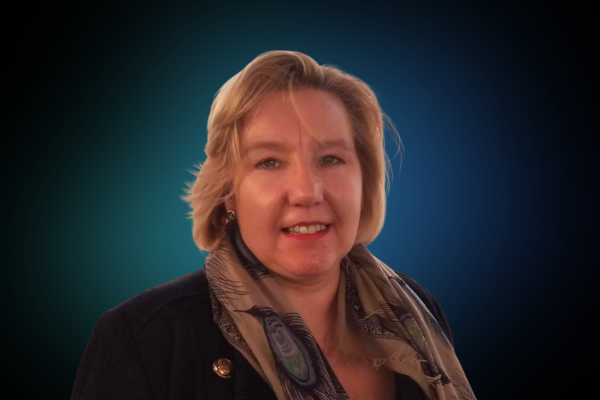
Our Team
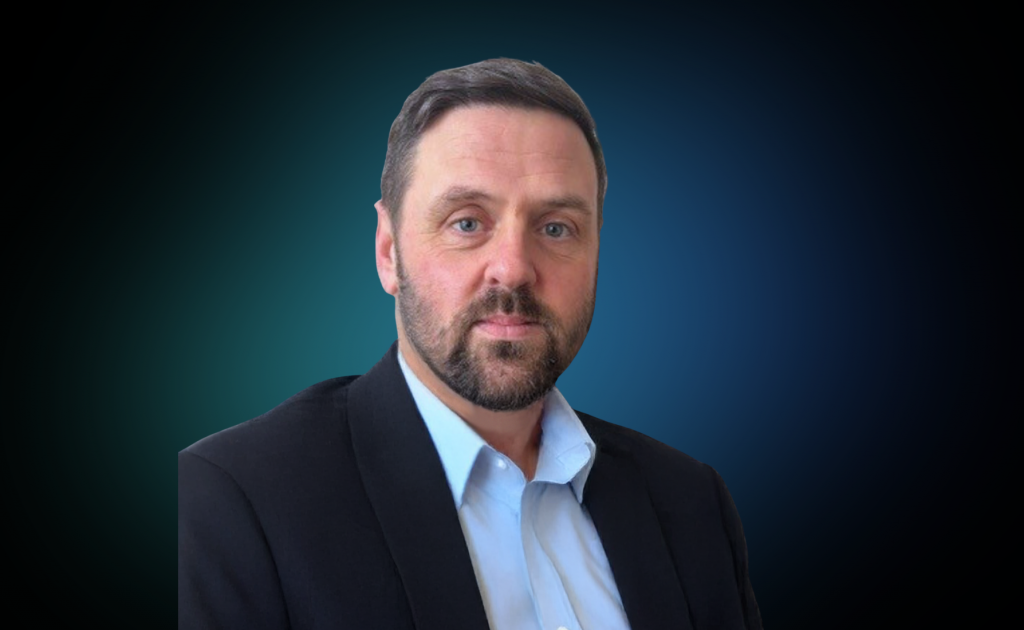
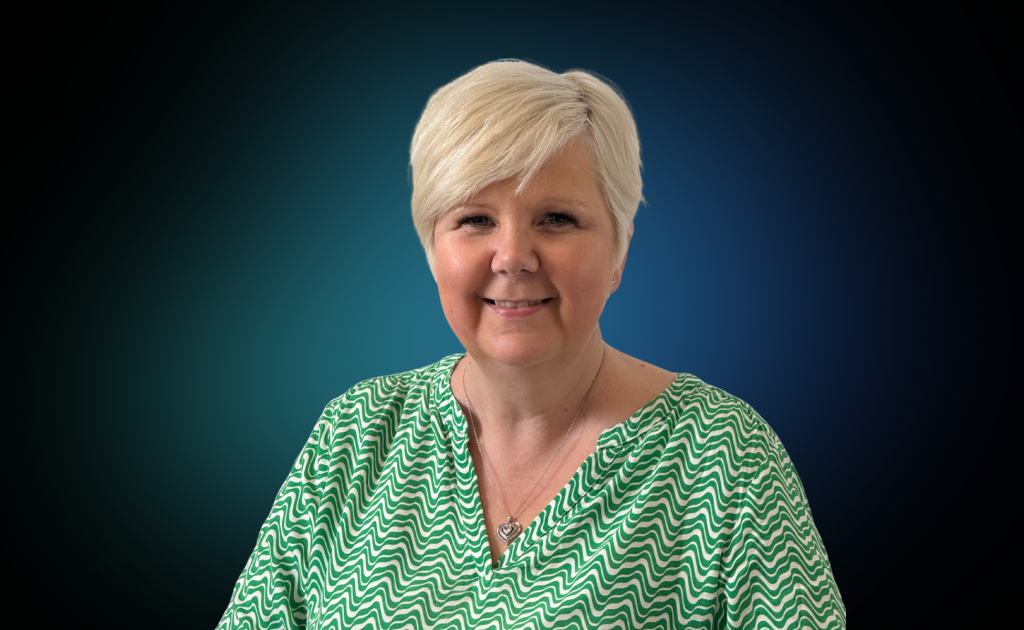
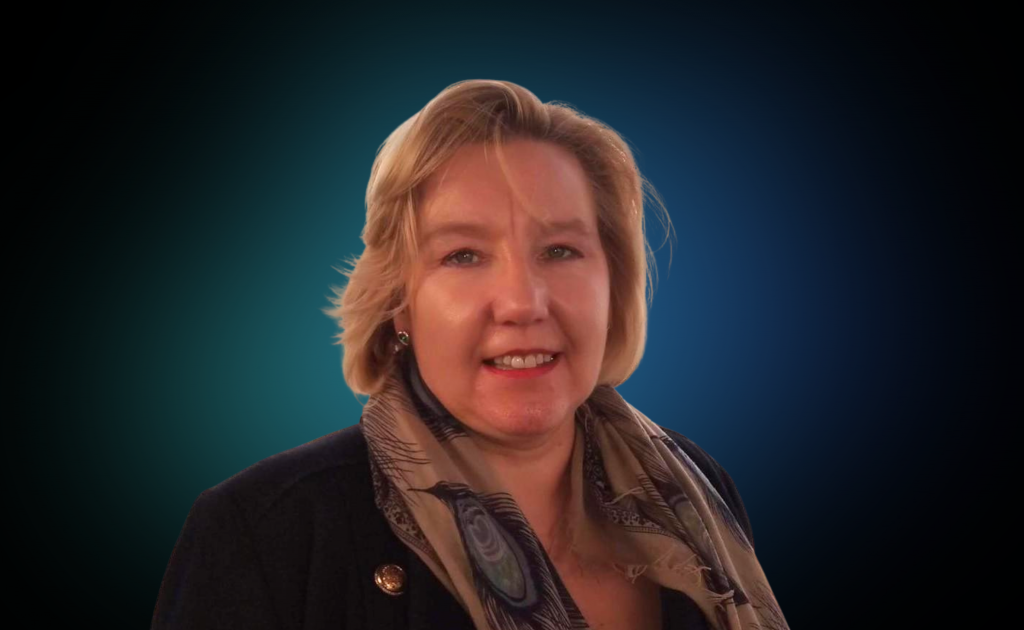
Since its inception in 2013, DMC Radiology Reporting has had a driven team of experienced clinicians and professionals with a vision to improve the outlook of radiology reporting nationwide by offering responsive and innovative solutions.






What sets DMC Radiology Reporting apart?
PERSONALISED SUPPORT AND SEAMLESS INTEGRATION
INNOVATIVE TECHNOLOGY
CLINICAL LEADERSHIP
SLICK PACS/RIS PLATFORM
We provide flexible, personalised radiology support tailored to your needs, from seamless PACS/RIS connectivity and IT support to backlog reporting and radiologist wellbeing.
We equip radiologists with fast onboarding, advanced reporting technology, and ongoing subspecialty training to deliver efficient, high-quality reporting.
Unlike many teleradiology providers, we are genuinely clinically led, with expert clinical leaders who work closely with radiologists and clients to maintain the highest standards of quality and governance.
Our zero-footprint Biotronics 3D platform combines embedded voice recognition and advanced tools to deliver seamless, efficient reporting without requiring special administrative access.
How can we assist you